



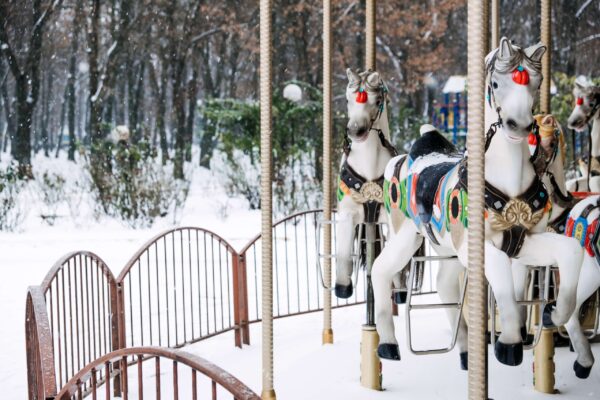
The Hyde Park Winter Wonderland is a seasonal outdoor event happening in London’s Hyde Park each year, running usually from mid–November until early January. It shows many winter attractions, rides, lights, and festive areas, and people come for skating, markets, shows, and the general holiday atmosphere. The event takes place inside the large central park, and it started in 2007 as a small fair and later became a big winter tradition.
This event is a public winter festival placed inside Hyde Park in the central part of London. It has grown across many years, turning into one of the busiest winter events in the United Kingdom. The space includes skating areas, themed zones, a giant wheel, food courts, market lanes, and entertainment programs. People visit in families, small groups, or alone, and they often spend several hours walking through the different sections.
The event began in 2007, when organizers created a small festive fair with several rides and market stalls. Over time, more attractions were added, making the place more complex and more attractive for visitors. Today, the event takes place in a big part of Hyde Park and has a structured layout with themed sections along the main walking paths. People like this place because it’s easy to get to from many parts of London, and Hyde Park has a long history of public events.
The grounds are divided into several activity zones. Some areas focus on skating and ice activities, while others show lights, decorations, or creative winter scenes. There are also areas with music, seating places and food stands serving seasonal items. Market lanes offer decorative goods and crafts. The event layout changes slightly each year, but many popular features return again and again.
Below is a list of central elements normally included in Hyde Park Winter Wonderland. These items help visitors understand what they will meet during their time inside the event.
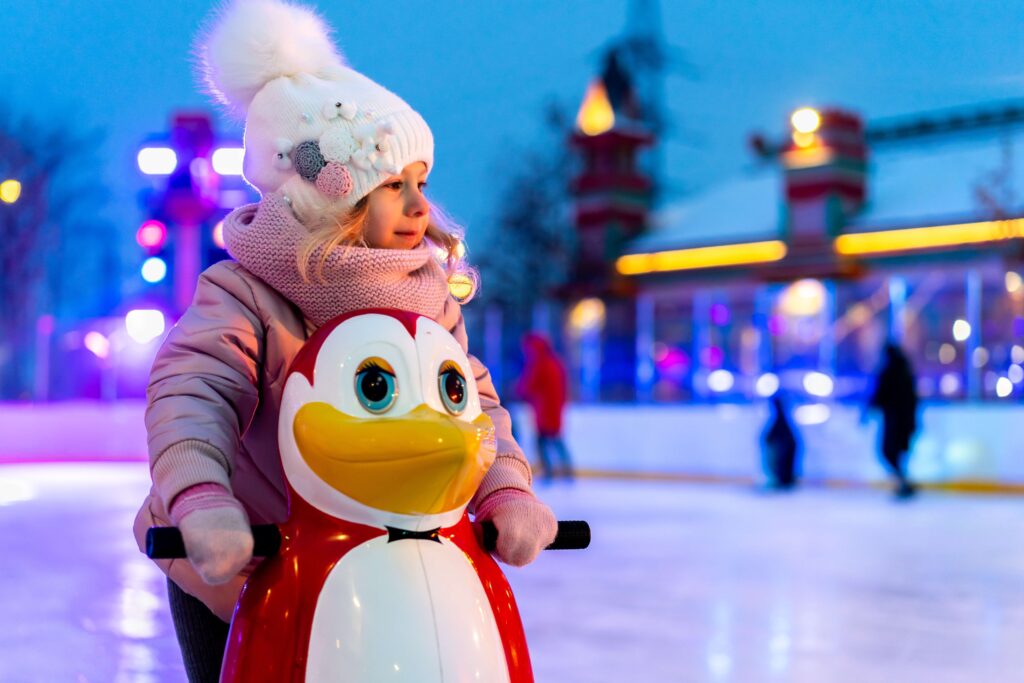
Visitors come for different reasons, and the event tries to serve many preferences. Below is a structured overview of typical motivations.
People usually visit more in evenings and weekends, when the lights are stronger and the atmosphere feels more festive. On weekdays, usually fewer people are. Walking in market lanes is easier. Rides also without long wait possible. Many people use public transport because the park is in the middle of the city. Signs are clear in the area; they help visitors to find their way.
The access system to the event works through time slots, helping to reduce large crowds at one moment. Visitors choose a time window for entry and then walk inside after security checks. Many parts of the park remain open space, but some attractions require separate tickets. The idea of this system is to let visitors create their own route inside, depending on which sections they prefer more.
Once inside the event, people follow central walking paths that divide into side lanes toward markets, rinks, or rides. The routes are simple but sometimes feel busy, so visitors often move slower during peak hours. Event staff stands in wider intersections to help keep the movement safe. For visitors who wish to see all main areas, the park map becomes useful, showing clear sections and approximate walking times.
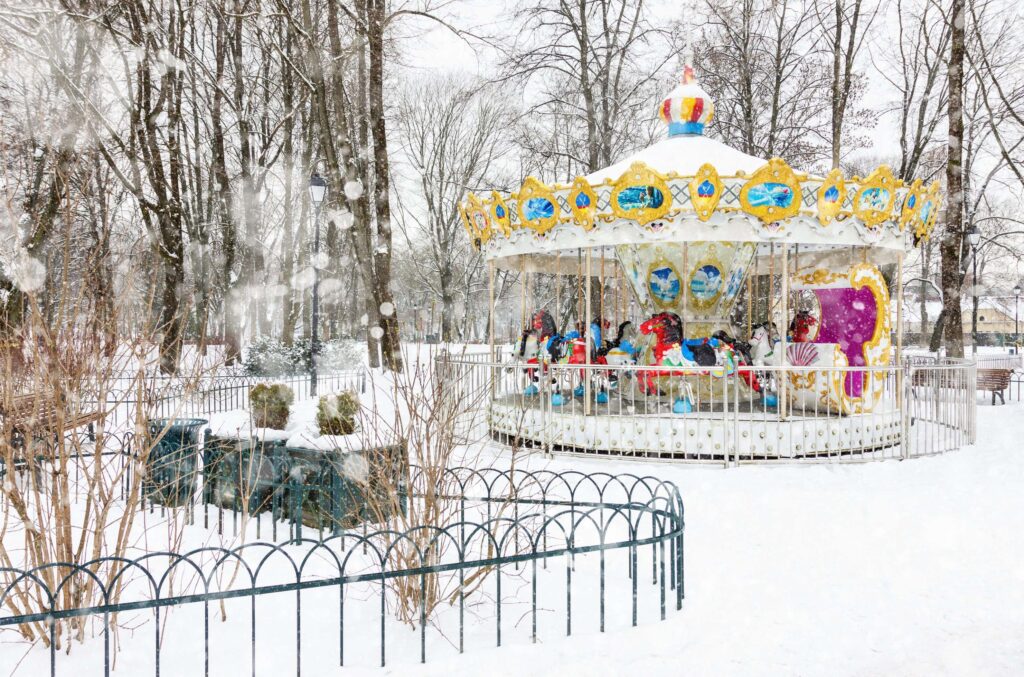
The event places safety instructions at the entrance and near rides. Bags may be checked, and some items are not allowed inside for public safety reasons. Because the event happens mostly in evening hours, lighting systems are installed along the paths to improve visibility. Many visitors wear warm clothes since the temperature in open air drops significantly in late December.
The decorative style of Hyde Park Winter Wonderland changes slightly each year, but the overall theme remains influenced by winter folklore, ice scenery, and festive traditions. Lights display many colors, but the central tones often involve cool blue, white, and soft gold. The decoration style helps visitors feel that they enter a separate seasonal zone inside the city.
Light installations appear across the grounds in many forms–arches, tall lamp shapes, tree decorations, and illuminated sculptural elements. Some areas mix static lights with moving patterns, while other sections stay simple to maintain contrast. Scenic zones usually include themed figures, ice scenes, small villages, or forest–like decorations. These zones appear as popular photo spots, and visitors sometimes wait to take pictures in front of them.
The sound environment consists of music tracks, ride noises, and general crowd movement. Many zones use their playlists with winter melodies. At skating areas, the music stays calm, while in funfair areas, the sound becomes more energetic. The combination of sound, crowd conversations and occasional announcements forms a dynamic audio setting typical for large outdoor seasonal events.